Weave
Describe a woven design or bring your artwork. Weave gives every part of it a real weave and writes the card your jacquard runs — or the draft and lifting plan for your dobby — with the loom setup sheet.
What Weave can take on
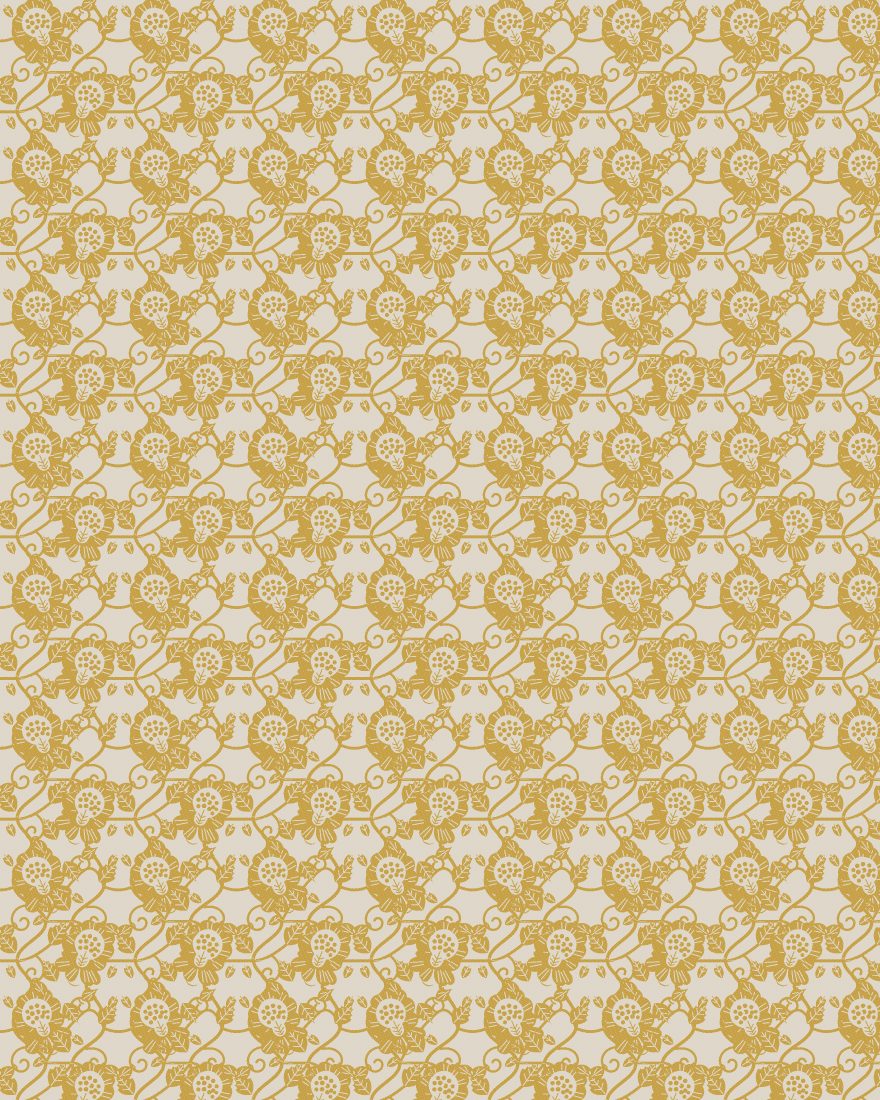
Weave reads your design the way a card maker does. Every area gets a weave that holds, every float that runs too long is tied, zari goes only where the motifs are, and the card is set to your loom’s own hooks, reed and repeat — so the first metre off the loom is the cloth you designed.
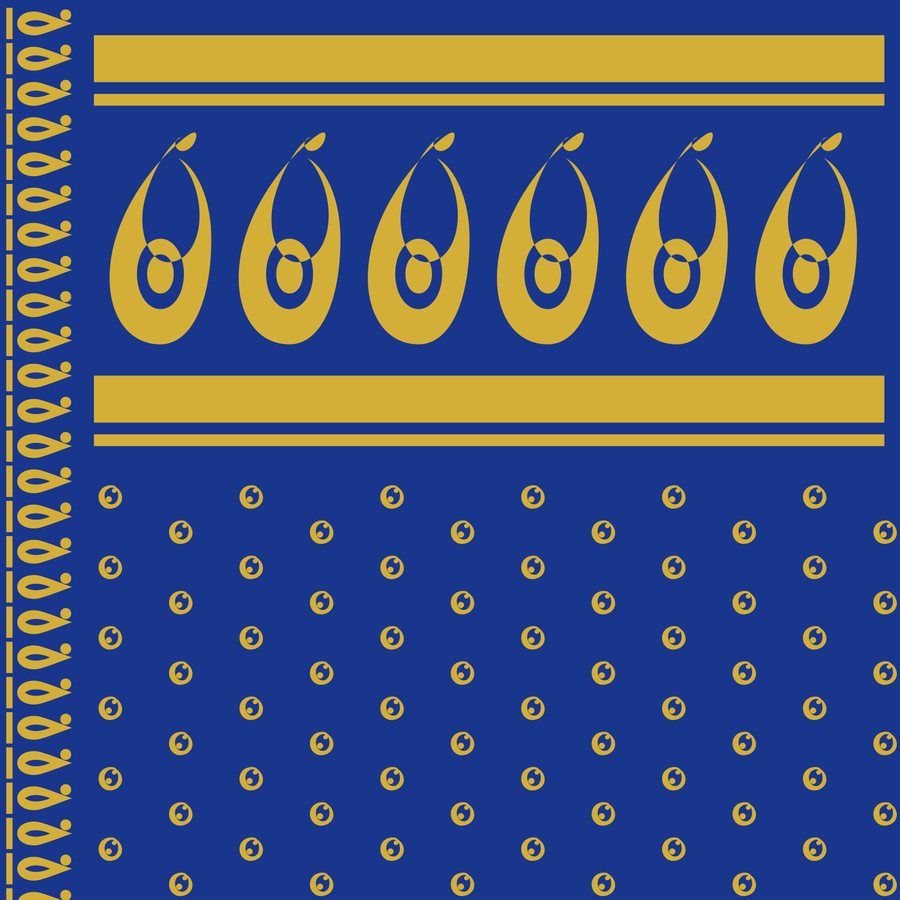
Navy silk saree, gold zari butis on the body, a paisley band at the pallu. Two wefts.
- Each area woven in its own weave — a satin ground, a twill figure
- Zari laid as its own extra weft, only where the motifs are
- Motifs outlined in plain weave, so their edges stay sharp
- Long floats found on the face and the back, and tied
- Card laid out to the loom’s hooks: selvedges, selectors and design
Real weaves, area by area
Ground, figure, border and pallu each get their own weave — plain, twill and satin and their variants, crepe, honeycomb, cords, backed and double cloths, extra warp and weft, and terry pile. Motif edges are outlined in plain weave, so the figure stays crisp.
Floats checked, face and back
A float that runs too long snags, sags or shows through. Every float is read in the order the loom weaves — the ground pick, then each figure weft — on the face and on the back, and tied before the card is written. Even across the seams of a long cloth.
Zari only where it belongs
Zari is woven as its own extra weft, or as an extra warp for borders, only where the motifs are. Real, imitation and metallic zari are kept as you name them.
Your loom’s own numbers
Ends, picks, reed, harness tie and repeat come from your loom setup, within what your loom and yarn allow. The design is never redrawn to fit the loom — the loom is set to weave the design.
What’s in every weave file
Every weave file is one bundle: the file the loom runs, and everything the weaver needs to set up the loom and approve the cloth before the bulk.
BMP · WIFCard or lifting plan
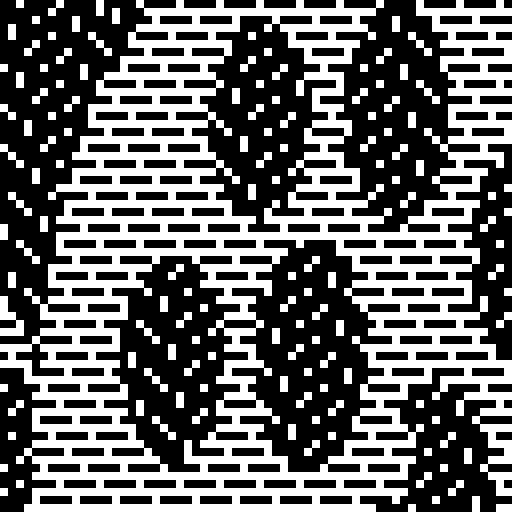
On a jacquard, a card for each weft — every square a hook lifted or left down, pick by pick. On a dobby, a WIF draft: the threading, tie-up and lifting plan for the loom’s shafts.
Loom setup sheet
Hooks2,688
Design ends2,640
Selvedge16 + 16 ends
Reed57/2
Picks60 per inch
Width45 in, finished
Weft 1silk, 21 denier
Weft 2gold zari, 300 denier
Loom setup sheet
Everything the weaver sets before the first pick, on one printed sheet: ends and selvedges, picks per inch, reed, repeat, harness tie, weft order and the yarn for each weft.
PNGWoven preview
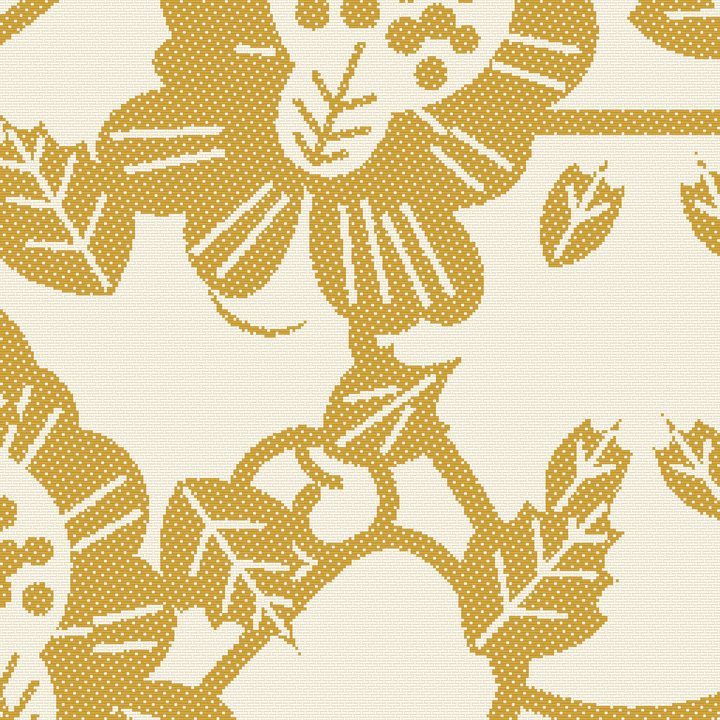
The cloth drawn at yarn scale, face and back — so you see the weave, the zari and the back of the cloth before a thread is woven.
Strike-off
A short length taken from the production file itself — not a separate sample design — with an approval record. Weave it, check it in the light, approve it, then run the bulk.
Runs on your loom
Choose your loom when you start. The file is written for that loom — its hooks or shafts, its reed and its width. A design your loom cannot weave is caught before the file is made.
2,688-hook saree jacquard
A loom-ready card, laid out the way the loom’s own cards are.
Electronic jacquards, 2,688 to 25,600 hooks
One loom-ready card laid out to your loom’s hook map, when your loom setup gives it — otherwise an open card for each weft.
Rapier, air-jet and water-jet dobby looms
A WIF draft with its tie-up and lifting plan, which the loom maker’s design software loads.
Terry looms
A WIF terry draft, with the pile and ground warps.
Projectile and cam looms
A WIF draft for the loom’s shafts.
Start where your design starts
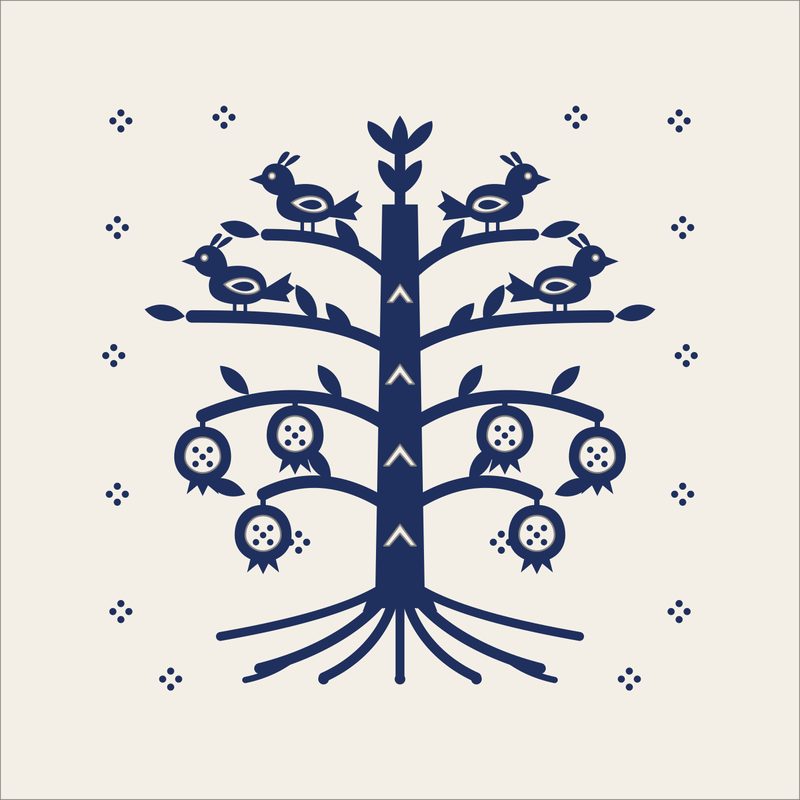
From a prompt
Describe the woven design in your own words — the cloth, the motifs, the colours, the zari. It is drawn first, within your wefts, then woven.
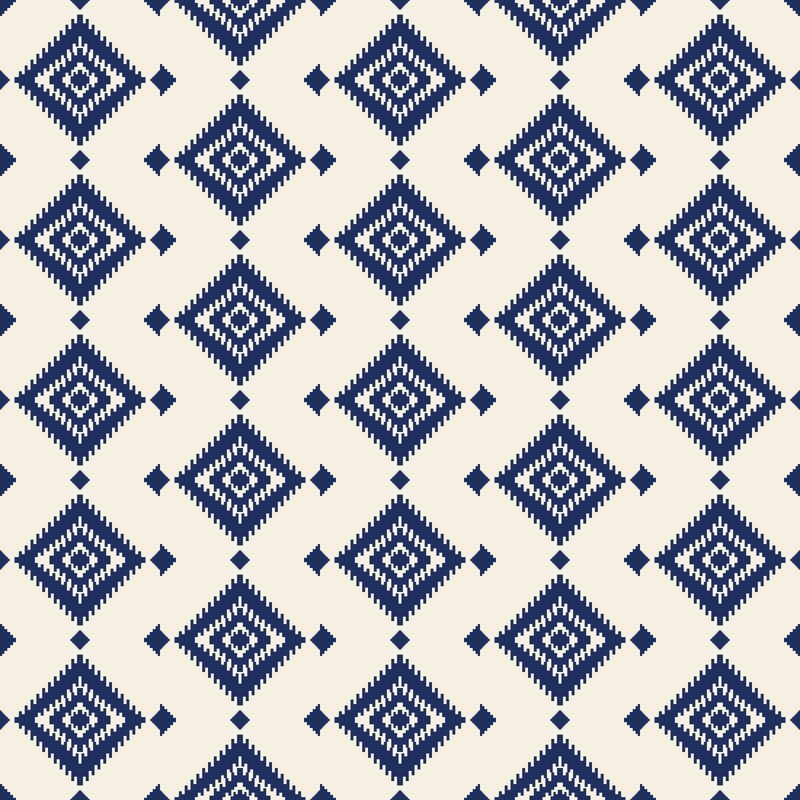
From your artwork
Upload a sketch, a photo of a cloth or a scan. The design is redrawn clean, in your house’s look, with its colours set to the wefts you weave.
From a trend
Start from a rising trend. Its colours and motifs carry into a design made for your loom.
Running a weaving mill?
Get started with Weave
Pro
For growing studios and independent brands. Per month, ₹2,500 to spend each month.
Max
For factories and high-volume teams. Per month, ₹11,000 to spend with a 10% volume bonus.
Prices in INR, excluding applicable tax; shown in your local currency at checkout. Prices and plans are subject to change at PatternAI’s discretion.