
Embellish
Describe the stone or sequin work, or bring your artwork. Embellish places every stone and sequin for your cloth and your machine’s hoppers and writes the file your setter or sequin machine runs.
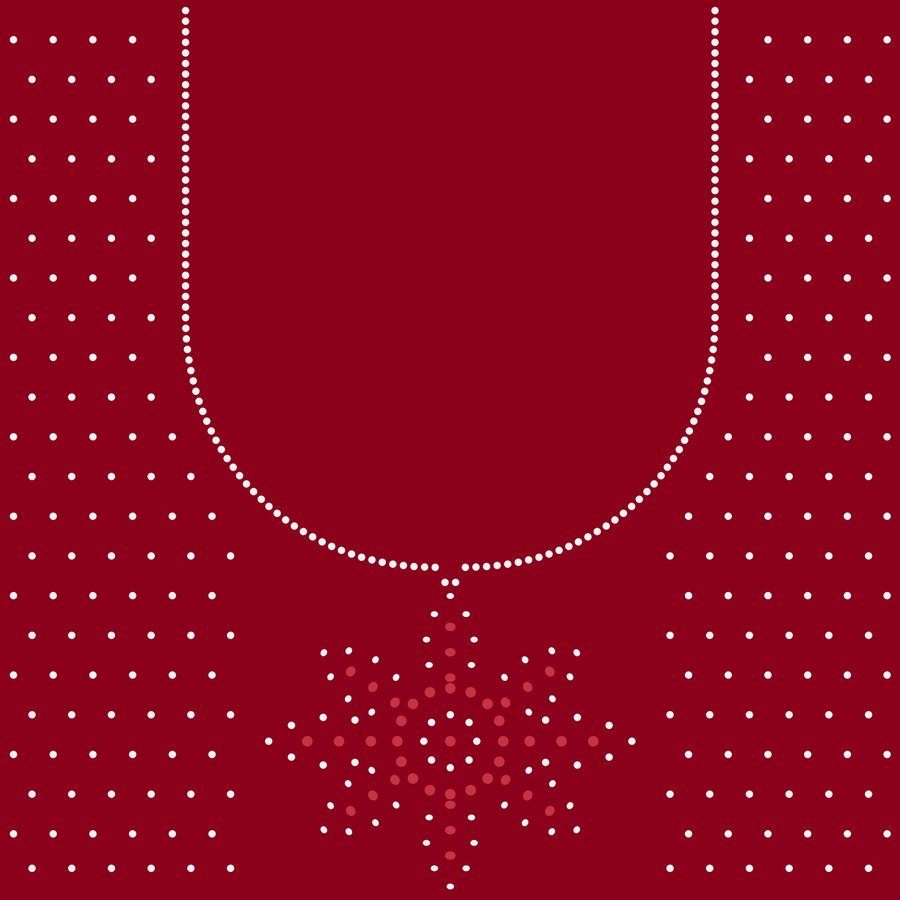

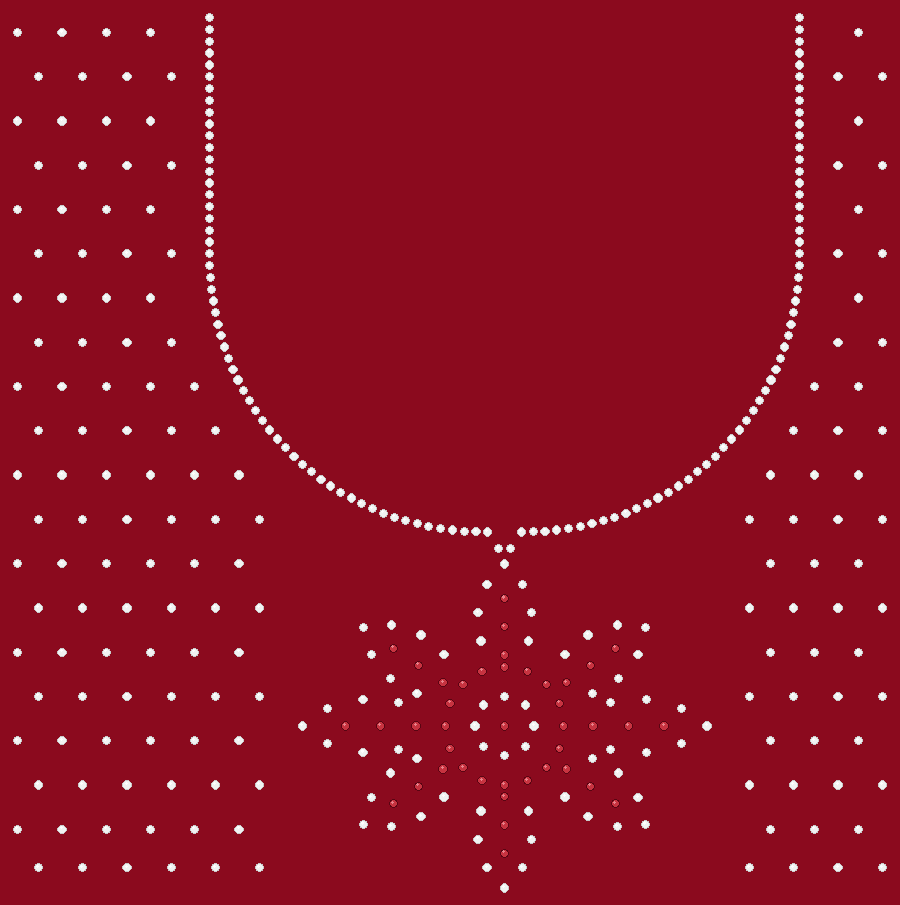
What Embellish can take on
Embellish reads your design the way a karigar does. Every stone gets its size and its place, every sequin its colour, nothing touches, the cloth never carries more than it can — and every colour fits your machine’s hoppers — so the first piece is the one you designed.
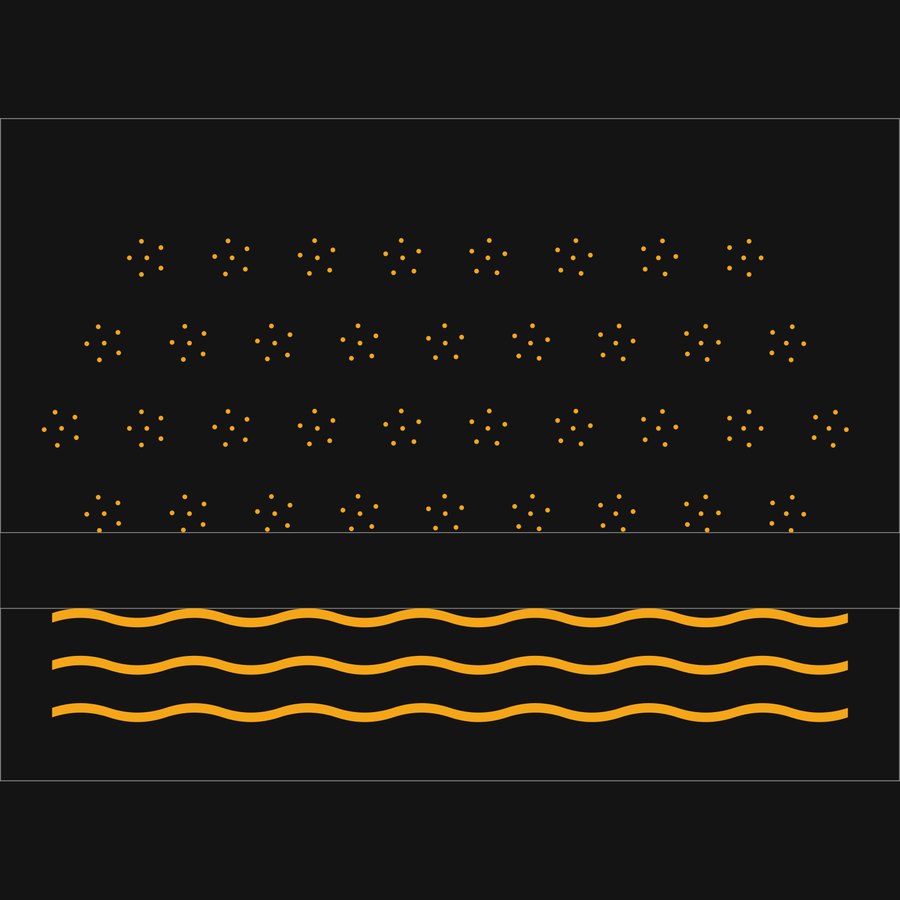
A black skirt with yellow sequin flowers scattered above wavy sequin bands at the hem.
- Every flower set as a ring of sequins, every band laid sequin by sequin
- Thread and sequins in one machine file
- Sequin colours and sizes set to the machine’s device
Every stone in its place
Rhinestones in every size, sequins, beads and pearls — each placed at its size and spacing, so no two touch and every one sits flat.
Planned for your cloth
Only as many stones as the cloth can carry: a light organza, a stretch knit and a heavy silk each get a different count of the same design.
Fitted to your hoppers
Colours and sizes are set to the hoppers your machine has, and any change is stated plainly — never made in silence.
Large work, in hoopings
A design larger than the frame is split into hoopings, each its own file, with overlaps and registration marks, run in order.
What’s in every embellish file
Every embellish file is one bundle: the file the machine runs, and everything the floor needs to load the hoppers, hoop the cloth and finish by hand.
DST · machine formatMachine file
Every stone and sequin in the order the machine places it — one file for each hooping — in your machine’s own format, read back after it is written.
Factory sheet
Garmentsaree blouse back
Clothsilk dupioni, 90 gsm
Stones461
SizeSS10 · 2.8 mm
Hoppers2 · one pass
Hoopings4, with 30 mm overlap
Factory sheet
Stone count, sizes, colours, hopper plan, hoopings and their order — and every change made to fit the machine, said plainly.
Bill of materials
1Stone · SS10 · white336
2Stone · SS10 · red41
Bill of materials
Every stone, sequin and bead by size and colour, with the count to order.
EN · HIHand-work sheets
For the karigar: what the machine places and what is finished by hand, in English and Hindi.
Runs on your machine
Choose your machine when you start. The file is written for that machine — its hoppers, its frame, its devices and its own file format.
Hot-fix rhinestone setters
A setter file for rotary and linear paperless setters, with every stone at its hopper.
Sequin embroidery machines
Thread and sequins in one machine file, for single- and multi-head machines.
Embroidery machines with sequin or bead devices
Stitches and every device drop in one file.
Pearl applicators
Every pearl at its place, in the machine’s own format.
Machines whose format is not yet certified
An exact stone and sequin map, ready for the machine’s own software.
Start where your design starts
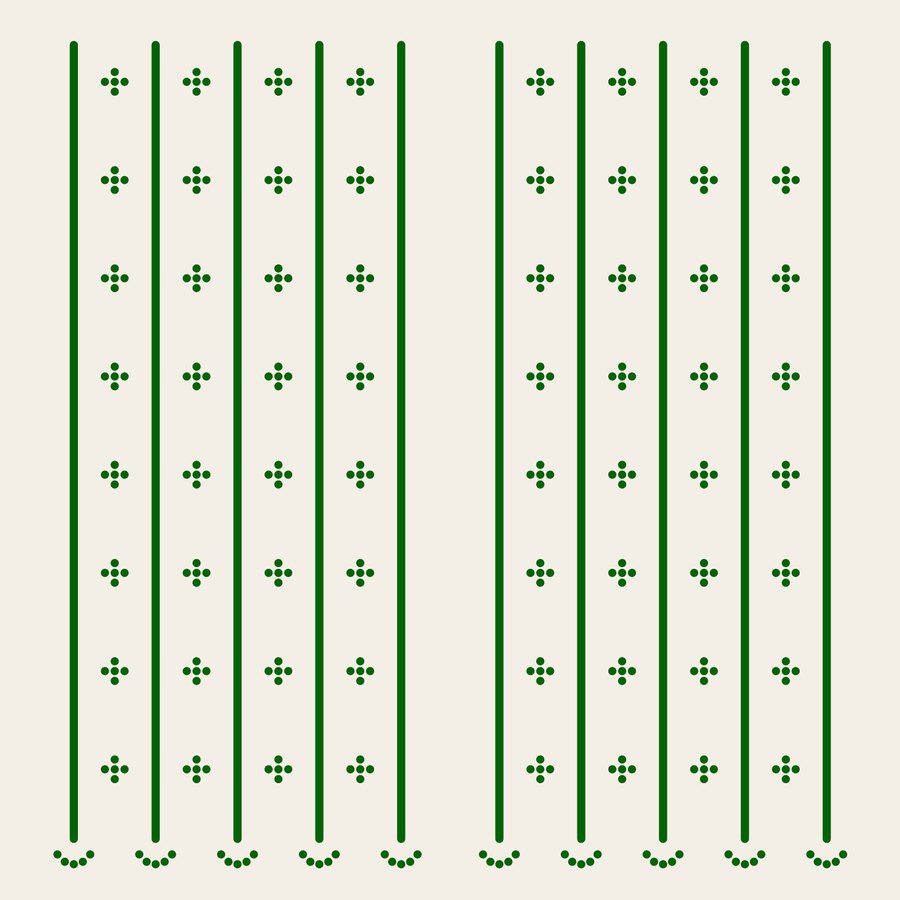
From a prompt
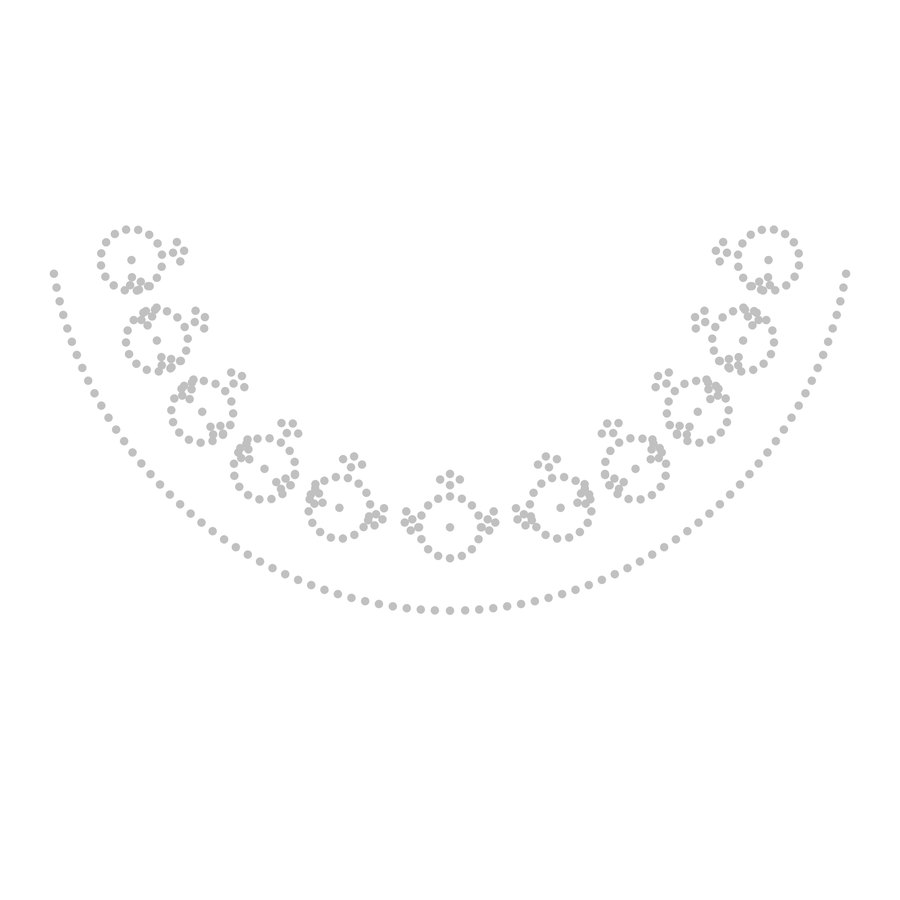
Describe the work in your own words — the stones or sequins, the colours, the cloth, the garment. It is drawn first, then placed for your machine.
From your artwork
Upload a photo, a stone chart or a file you already have. It is redrawn clean and placed for your hoppers.

From a trend
Start from a rising trend. Its colours and motifs carry into work made for your machine.
Running an embellishment unit?
Get started with Embellish
Pro
For growing studios and independent brands. Per month, ₹2,500 to spend each month.
Max
For factories and high-volume teams. Per month, ₹11,000 to spend with a 10% volume bonus.
Prices in INR, excluding applicable tax; shown in your local currency at checkout. Prices and plans are subject to change at PatternAI’s discretion.